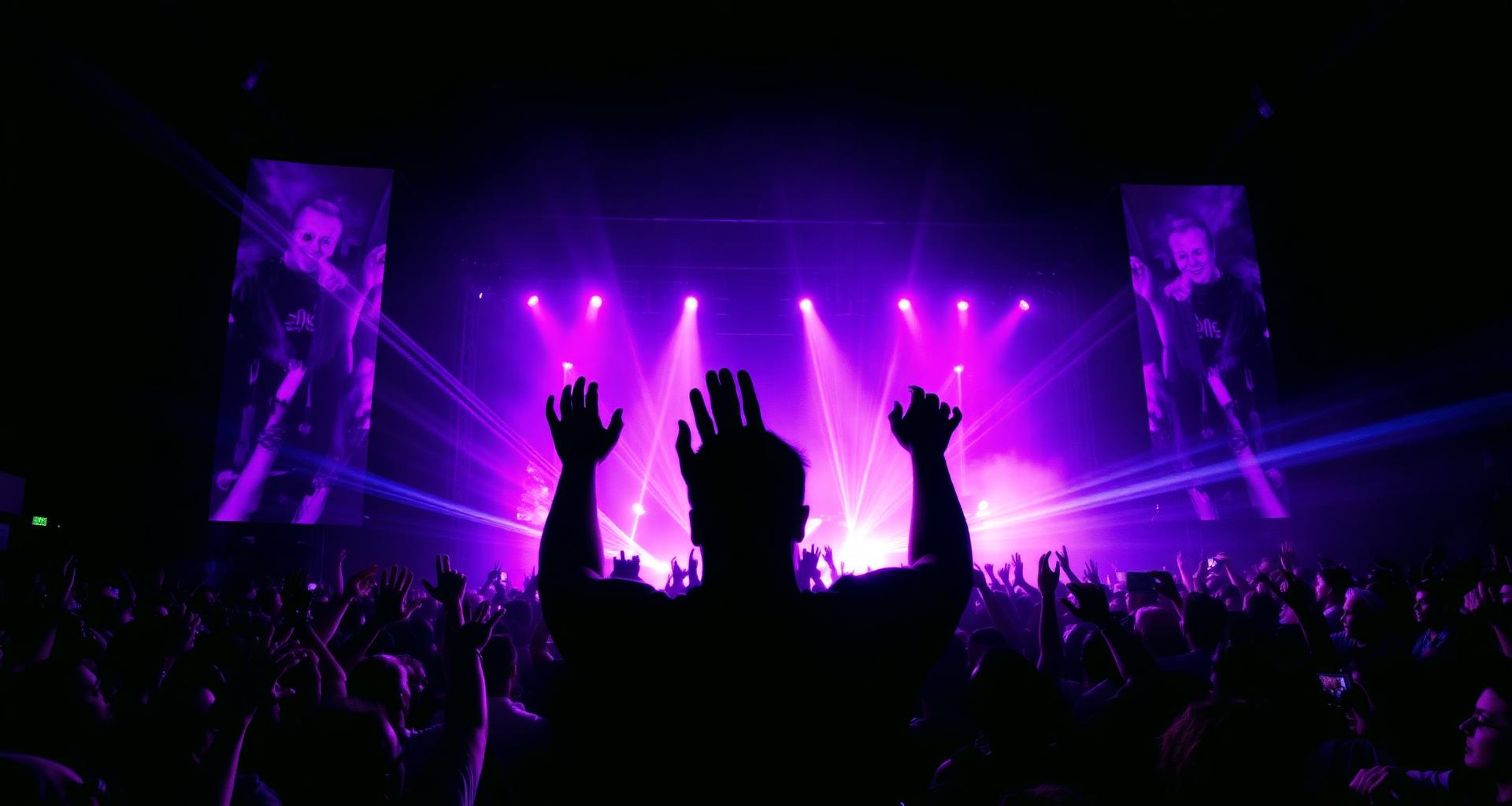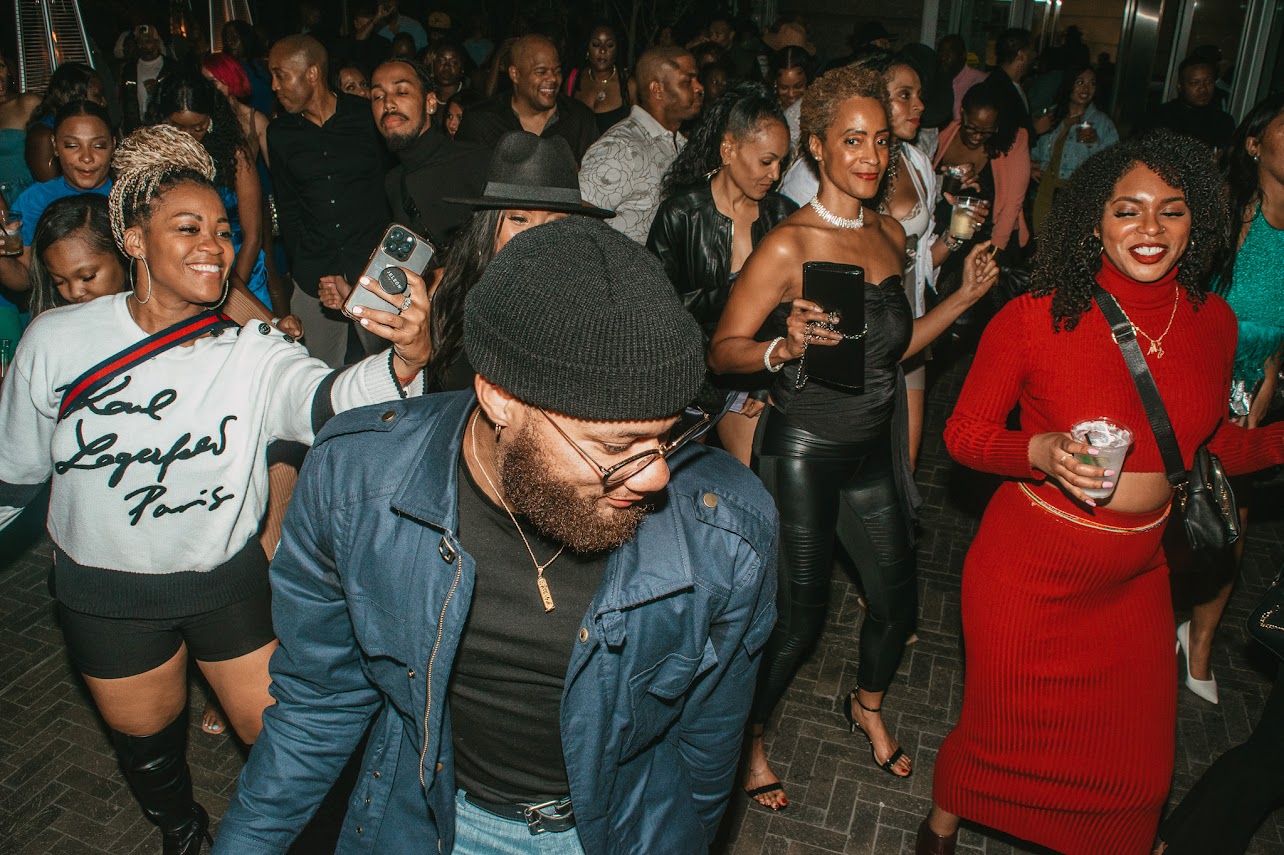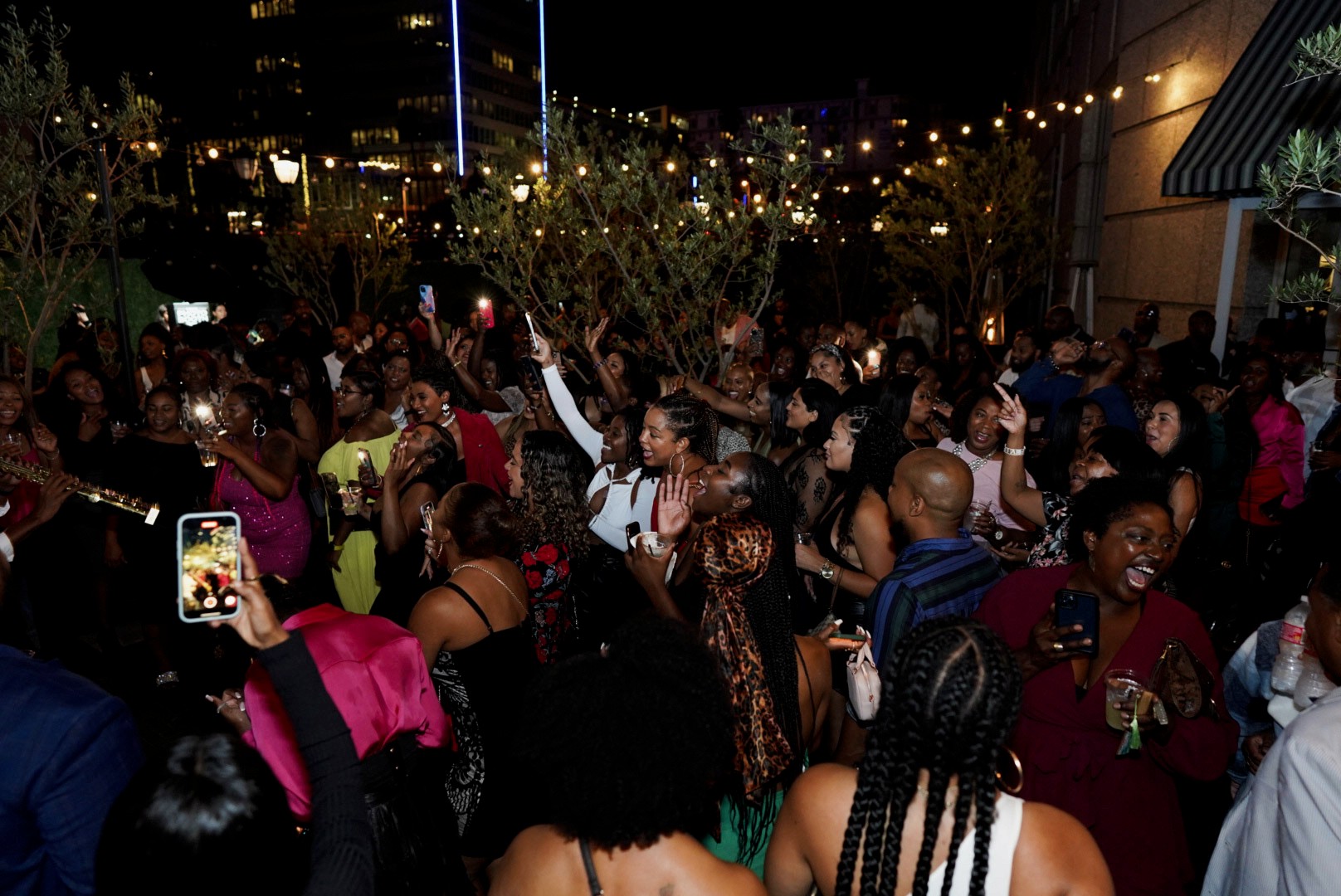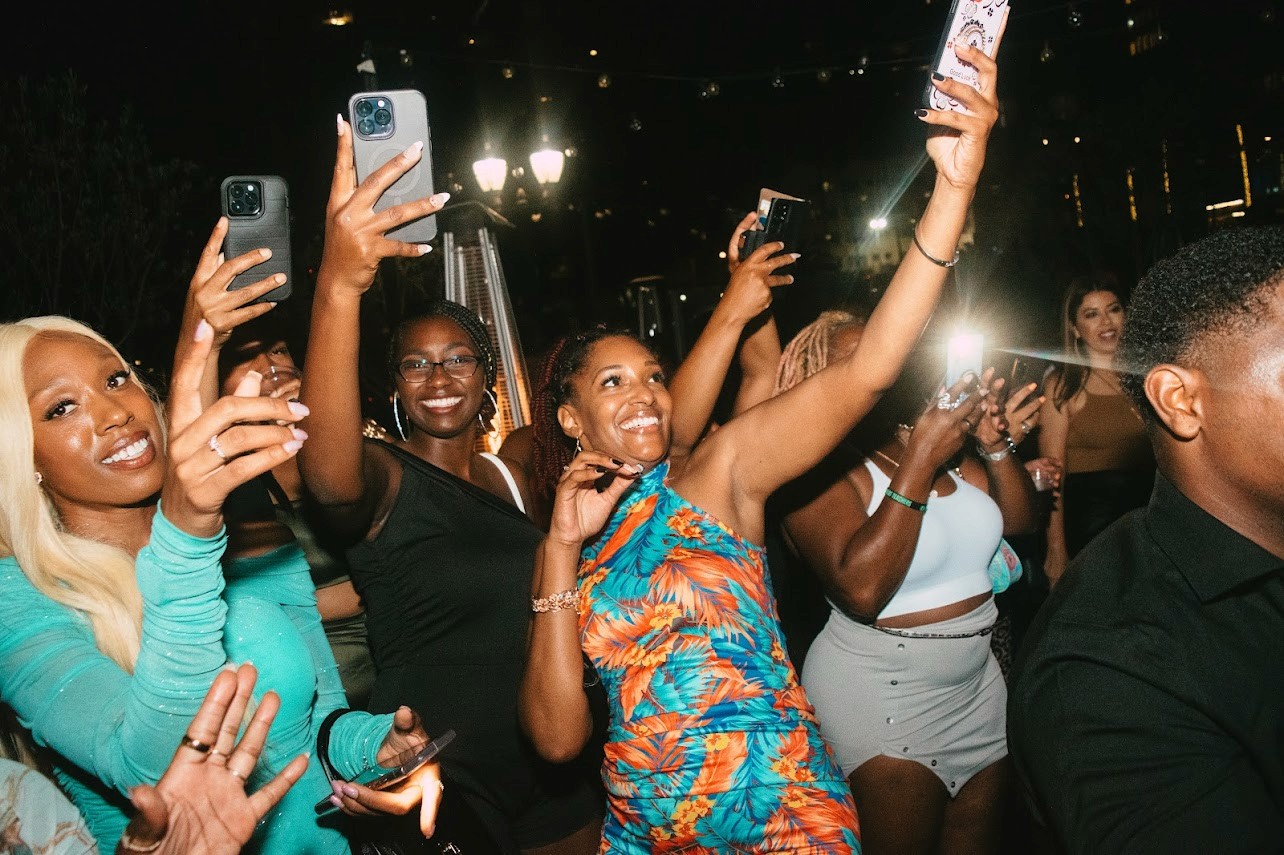

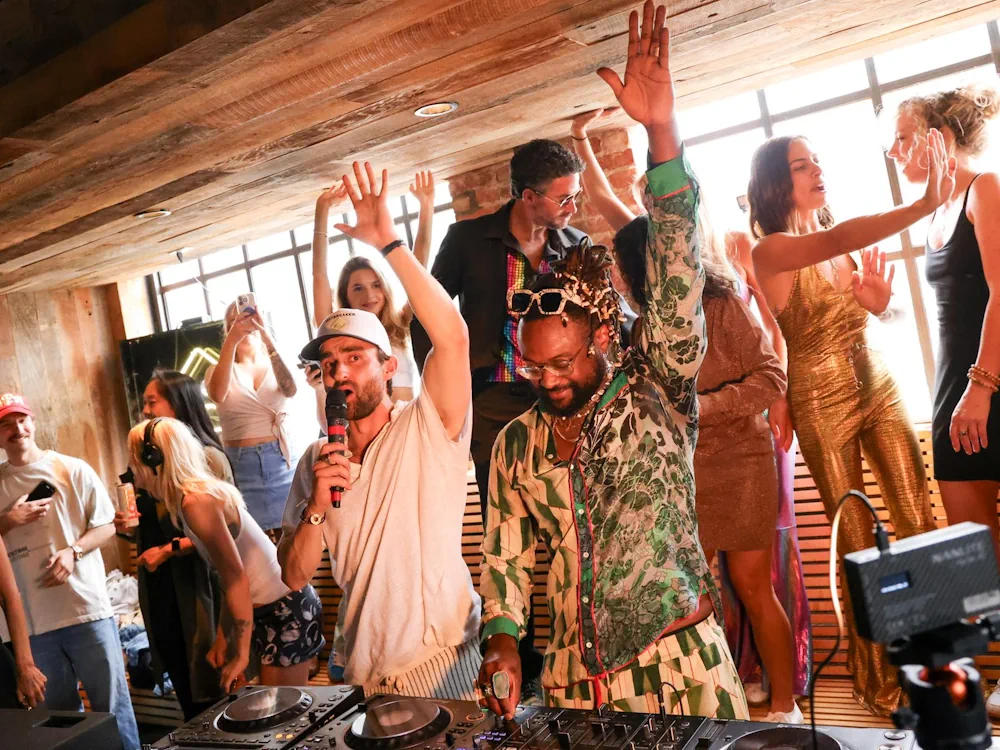
Creators are trading the feed for the room. The ones who treat that room like a business, not a one-night party, are the ones who will win.
Every creator has the same nightmare. You have 200,000 followers, a post that did a million views, and a launch party where 60 people show up.
That gap, between being seen and being showed up for, is the most important story in the creator economy right now. And the creators closing it are building something much more durable than a follower count. They're building IRL communities.
I call them IRL influencers. They're the creators, hosts, and community leaders who convert online attention into real-world gatherings, and then into real businesses. This is a guide to why that's happening, what the data says, and how to build one without repeating the mistakes I made running 400+ events.
What Is an IRL Influencer?
An IRL influencer is a creator who turns an online audience into an in-person community through recurring events like meetups, run clubs, dinners, tapings, workshops, and tours, and who earns from those gatherings directly instead of relying only on platform payouts or brand deals.
The term is still informal, and you won't find an official definition. But the behavior behind it is everywhere. Podcasters are touring. Food creators are hosting supper clubs. Fitness creators are running Saturday-morning clubs. Book creators are filling rooms. They all share one move: they stopped treating their audience as a number and started treating it as a room.
The Numbers Behind the Shift
The appetite is measurable, and it's bigger than most producers assume.
- A September 2025 survey of 1,000 U.S. social media users by The Influencer Marketing Factory found that 41% had attended at least one creator-led in-person event in the past year. 46% said they were genuinely excited about IRL experiences with creators, and only 2% called them overhyped.
- Eventbrite's 2026 Social Study found that 79% of 18-to-35-year-olds plan to attend more events in 2026, and 74% of Gen Z say in-person experiences matter more than digital ones.
- That same report found that nearly a quarter of 18-to-29-year-olds report feeling lonely, which Eventbrite calls the loneliness paradox: the loneliest group is also the one planning to show up more.
- Eventbrite's earlier "Fourth Spaces" research found that 95% of young adults are interested in exploring their online interests through in-person events.
Creator economy size estimates vary a lot depending on who's counting, with published figures landing anywhere from roughly $250 billion to north of $300 billion for 2026. Take the exact number with a grain of salt. The direction is not in dispute: audiences are huge, and the next stage of growth is moving offline.
Why Creators Are Leaving the Feed for the Room
Platforms are rented land. The algorithm can change on a Tuesday, and your reach can fall by half before you've finished your coffee. In-person events give creators a controlled, less algorithm-dependent way to meet their audience, along with a new revenue stream, according to Marketing Brew's reporting on 2026 creator trends.
There's a second reason, and it's less comfortable. Content is easy to copy. A creator quoted by Digiday argued that clippers now earn more than the creators they clip. A live room can't be clipped. Nobody can re-upload your Saturday morning run club and take the community with it.
And there's a third: proof. Anyone can buy followers. Almost no one can fake a room of people who paid, showed up, and came back. As one marketer told Marketing Brew, creator-hosted events are "community first and brand second," which is a big part of why brands trust them.
Brands Are Already Paying for It
If you're wondering whether this is a real business, follow the sponsorship money.
Digiday reported that YouTubers Sam Golbach and Colby Brock held seven in-person events in 2024 and had already organized five more so far in 2025. It also reported that sponsorships on the Dude Perfect tour are the second-biggest revenue stream after ticket sales, bigger than merchandise. AT&T signed up to sponsor all of Ludwig Ahgren's events for a six-month stretch.
What brands say they like is measurability. A person who stood in a room, scanned a pass, and posted about it is a much clearer signal than a view count. Fan-generated content from the event then keeps working after the night ends.
Here's what that means for you: sponsors want an audience that shows up repeatedly and that you can prove. One-night attendance spikes are a weak pitch. A verified, recurring member base is a strong one.
It's Not Just Mega-Creators
The biggest names get the headlines, but the real growth is below them. Smaller creators are running events for a core group of followers who want to meet people who share their interest. Marketing Brew noted that many creators are still a one-person operation, and an agency and creator platform even launched a $3,500 grant program to help creators host in-person events.
Run clubs are the clearest proof. Social run clubs have taken over weekend feeds, with brands and celebrities backing them as lead-generation engines and roving focus groups. Eventbrite's platform data shows running events up 130% and sober-curious gatherings up 92% in its Fourth Spaces research. Book clubs, supper clubs, board game nights, and craft meetups are following the same curve.
None of these creators need a stadium. They need a recurring reason for 50 to 500 people to show up, and a business model that makes that reason pay.
The Problem: Most IRL Influencers Build Events Like It's 2015
Here's where the story stops being a celebration and starts being a warning.
Most creators moving offline copy the traditional event playbook. They pick a date, open a ticketing page, sell tickets, throw the event, and then do it all again from zero. I know this model intimately. I built a 50,000-person community through The Outlet LA, ran 400+ events, and generated over $2M in revenue. The demand was never the problem. The model was. I wrote about that honestly in the one thing I'd do differently.
That model has four built-in leaks for IRL influencers:
- Every event starts at zero. Revenue arrives only after you announce, promote, and sell. There's no floor, so every night is a gamble. It's the same dynamic behind the burnout and tiered-pricing backlash producers keep describing.
- You rent your audience. On a marketplace, the platform owns the relationship and the retargeting data. Independent producers are already leaving Eventbrite over exactly this.
- Fees tax your fans. Hidden service fees at checkout erode trust with the people you most want to keep. Regulators are cracking down on it, as we covered in why we removed ticketing fees completely.
- Your best fans get treated like first-timers. The person who has shown up to eight events pays the same as a stranger, with no reason to commit.
Going viral gets you a crowd. Membership gets you a community that pays you back.
Membership Is the Missing Business Model
The creators who figure this out change what they sell. Instead of selling a night, they sell belonging, and the night becomes a perk.
The best evidence comes from small community businesses. When Electric Athletic Club, a run community, launched a paid membership in 2016, membership grew, and the founders were surprised by it. According to a Heylo case study, once members started paying they became more invested, and the founders came to see membership dues as an investment from members rather than a cost.
Mighty Networks' case study of Slow AF Run Club tells a similar story from the online side: a creator-led run community that moved from 40 paying members to 460 and eventually past 20,000 members, with offerings ranging from a $4.99 course up to a $49.99 monthly membership. Those are both vendor case studies, so read them as illustrations, not guarantees. But the pattern is consistent: when people pay on a recurring basis, they show up, they stay, and they bring friends.
And the market is moving the same way. Creator-platform commentary in 2026 keeps pointing to tiered memberships that bundle on-demand content, community access, and tickets to live events. Subscription is the model that already won in music, fitness, and podcasts. Live events are the biggest category still waiting, and the IRL influencer is the person best positioned to lead it.
How to Build an IRL Influencer Business in 5 Steps
- 1.Pick one recurring format. A monthly dinner, a weekly run, a quarterly summit. Repetition is what builds a community. One big event can't.
- 2.Define what members get that non-members don't. Early access, member-only events, discounted or free entry, merch and food perks, direct access to you. Make the benefit obvious in one sentence.
- 3.Sell membership where people are already paying. The best moment to offer a membership is at checkout for the first event, when intent is highest. Don't make it a separate pitch.
- 4.Own your audience data. Know who your members are, how often they attend, and what they spend. That's what you show sponsors, partners, and venues.
- 5.Let members fund the next event before you announce it. When recurring revenue exists before ticket one is sold, you can book bigger, take creative risks, and stop pricing every show like a bet.
Notice what's missing from that list: a bigger following. You don't need more followers to start. You need a reason for the ones you have to commit.
Why Memberly Is Built for IRL Influencers
I built Memberly because I lived every one of those leaks, and the creators walking the same road deserve better tools than I had.
Memberly is the subscription platform for independent event producers, and for IRL influencers, that translates into a few specific things:
- Zero platform fees on Passes, permanently. Your fans pay the price on the screen and nothing else.
- Membership upsold right in checkout. A fan buying a Pass sees the option to become a Member in the same flow, with no separate pitch and no extra friction.
- Perks your community actually wants. Early or exclusive access to Passes, member-only events and pop-ups, discounted or free entry, merch and F&B perks, and direct community access.
- Recurring revenue that exists before the next event is announced. Your baseline stops depending on this week's Instagram engagement.
- Your audience, your data, your relationship. Not a marketplace's retargeting list.
The IRL influencer era is here. The creators who win it won't be the ones with the biggest crowd on one night. They'll be the ones who turned that crowd into members.
FAQ
What is an IRL influencer?
An IRL influencer is a creator who turns an online following into an in-person community through recurring events such as meetups, run clubs, dinners, tapings, and workshops, and earns directly from those gatherings.
How do creators make money from in-person events?
The main streams are ticket sales, brand sponsorships, merchandise, and recurring memberships. Memberships are the most predictable, because members pay before any single event is announced, so revenue doesn't reset to zero after every show.
Do you need a huge following to host creator-led events?
No. Many creator-led events are run by smaller creators for a core group of engaged followers. What matters more than audience size is how many people will show up repeatedly, which is why recurring formats and memberships work.
What is the best platform for creator-led events and memberships?
Look for a platform that charges no per-ticket fees, lets you offer memberships at checkout, and lets you own your audience data. Memberly is built specifically for independent event producers and IRL influencers with those priorities.
Why are Gen Z and Millennials attending more in-person events?
Research from Eventbrite found that 79% of 18-to-35-year-olds plan to attend more events in 2026 and that 74% of Gen Z value in-person experiences over digital ones, driven in part by loneliness and screen fatigue.